
Blog
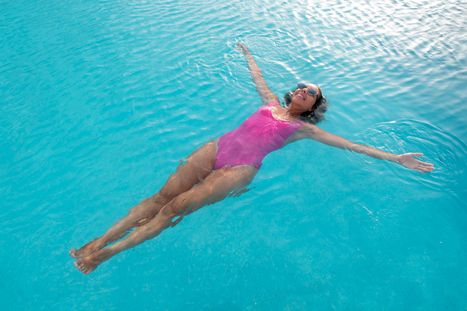
Why Learning to Float Can Save Your Life in Rochester, NH
When people think about learning to swim, they often picture freestyle, backstroke, or diving into the pool.
But one of the most important water skills isn't a swim stroke at all.
It's learning how to float.
Living in Rochester means having access to community pools, nearby lakes, rivers, and New Hampshire's beautiful Seacoast just a short drive away. At Hudson Valley Swim, floating is one of the first skills we introduce in our swim lesson programs because it helps swimmers build confidence, stay calm, and develop the foundation for everything that comes next. Whether someone is a young child taking their first lesson or an adult learning to swim later in life, knowing how to float is one of the most valuable skills they can develop.
While floating alone is not a substitute for knowing how to swim, it is an important survival skill that can make a meaningful difference if someone unexpectedly finds themselves in deep water.
Why Floating Is One of the First Skills Taught
Learning to float isn't simply another milestone in swim lessons. It's one of the building blocks that supports every other swimming skill.
more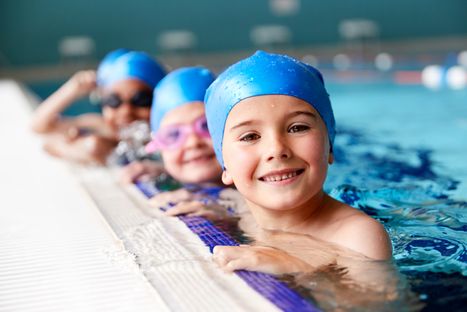
Why Consistency Is the Secret to Learning to Swim in Rochester, NH
Whether you're enrolling your child in swim lessons or learning to swim yourself, it's natural to wonder how quickly progress will happen.
Some people seem to gain confidence in the water almost immediately, while others feel like they're making slower progress. Then life gets busy. A vacation, illness, or a packed schedule leads to a few missed lessons, and it can feel like you're back where you started.
The good news is that this is completely normal.
Learning to swim is much like learning to ride a bike, play an instrument, or speak a new language. Progress doesn't happen overnight. It develops through regular practice, repetition, and growing confidence over time.
In Rochester, where families enjoy lakes, rivers, neighborhood pools, and New Hampshire's beautiful coastline just a short drive away, building strong swimming skills helps swimmers stay safe and confident wherever their adventures take them.
The biggest factor in long-term success isn't natural talent. It's consistency.
Swimming Skills Are Built Through Repetition
Every swim lesson builds on the one before it.
Whether someone is learning to float for the first time, improving their freestyle, or becoming more comfortable in deep water, swimming is a skill that develops through repeated practice.
more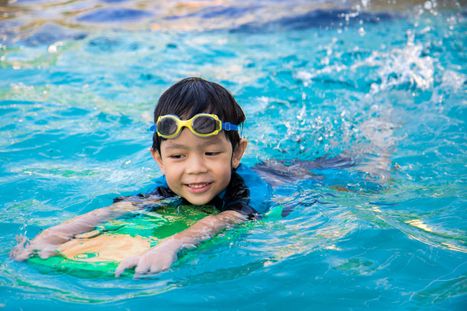
How Long Does It Take Kids to Learn to Swim? A Rochester Parent’s Guide
For many parents in Rochester, one of the most common questions before signing up for swim lessons is simple:
“How long will it take for my child to learn to swim?”
The honest answer is that it depends on what “learning to swim” means for your child.
For some swimmers, learning to swim means becoming comfortable in the water, floating independently, and building basic safety skills. For others, it means confidently swimming across the pool, understanding multiple strokes, and feeling comfortable in deeper water.
At Hudson Valley Swim, many children begin building confidence and foundational skills during an 8-week swim session through our swim lesson programs, but swimming is often a gradual process that develops over time. Just like learning to read, ride a bike, or play a sport, progress happens through consistency, repetition, and practice.
The good news is that most families start noticing meaningful progress much sooner than they expect.
What Progress Can Families Expect During an 8-Week Swim Session?
At Hudson Valley Swim, lessons are structured into 8-week sessions to help swimmers build confidence through consistent instruction and repetition. While every child progresses differently, many swimmers begin developing important foundational skills during their first session.
more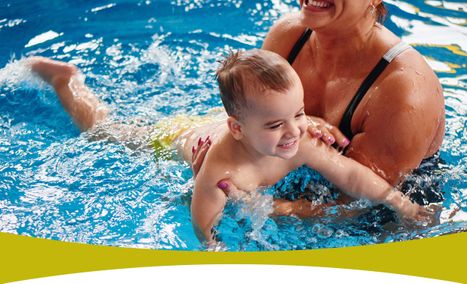
When Is the Best Age to Start Swim Lessons in Rochester, NH?
For many parents in Rochester, one of the biggest questions about swim lessons is simple:
When should my child start?
Some parents worry their child is too young. Others wonder if they may have waited too long.
The truth is, there is no one “perfect” age for every child. Every child develops differently, and comfort around water often depends on confidence, maturity, and previous exposure to water.
However, most swim professionals agree on one thing:
Earlier exposure to water in a safe, structured environment can help children build confidence and stronger safety habits over time.
For families in Rochester and throughout New Hampshire’s Seacoast region, water often becomes a bigger part of life once warmer weather arrives. Between lake days, beach trips, pools, summer camps, and vacations, children are often around water more than parents initially expect.
For many families, swim lessons are not just about learning strokes. They are about helping children become safer, more confident, and more comfortable around water.
Why Starting Swim Lessons Earlier Can Make a Difference
Many parents wait until summer begins, an upcoming vacation approaches, or pool season ramps up before thinking about swim lessons.
more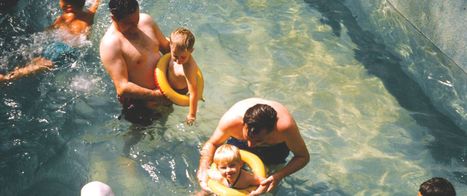
Real Water Competency: What Rochester Families Need to Know Beyond Youth Swim Lessons
For families in the Rochester, NH area, getting kids enrolled in youth swim lessons feels like a major relief. It is incredibly satisfying to check off that safety box, watching your children learn to kick, doggy-paddle, or splash around the shallow end. Once they possess those basic skills, it is easy to assume that the primary dangers involving water are officially a thing of the past.
However, true water safety requires a much larger perspective.
Living in Rochester means that dynamic waterways are woven right into our local footprint. Whether your family spends hot summer days kayaking the Cocheco River, camping near the lakes, or visiting the nearby Salmon Falls River along the Maine border, water is a focal point of our community culture. Because we are surrounded by natural water hazards, youth swimming skills are only a singular piece of the puzzle. If an unexpected crisis occurs in an aquatic environment, an adult is almost always the designated first responder. A parent's personal water competence, survival swimming skills, and physical endurance are often the ultimate deciding factors in an emergency.
Water safety is not simply a lesson for children. It is a vital, multi-generational skill for the entire household.
more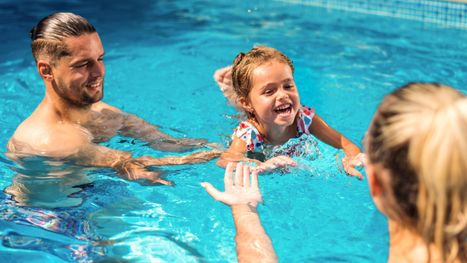
CPR, Drowning Prevention, and Water Safety: What Rochester Families Should Know
May is National Water Safety Month, making it an important time for families in Rochester to think proactively about swim safety, drowning prevention, and emergency preparedness before summer begins.
For many families throughout southeastern New Hampshire, warmer weather means more time spent around water. Between lake outings, backyard pools, summer camps, beach days along the Seacoast, vacations, and weekends outdoors, children are often exposed to water more frequently once school lets out.
While these moments create lifelong memories, they also reinforce an important reality: water confidence and safety skills should never be taken for granted.
Helping children build stronger swim safety skills, understanding drowning risks, and knowing how to respond during emergencies can all play an important role in helping families stay safer around water.
Why Water Safety Matters in New Hampshire
Many parents naturally think water safety simply means supervising children around the pool. While supervision is incredibly important, drowning prevention often requires much more than simply standing nearby.
One of the biggest misconceptions about drowning is that it looks dramatic or obvious. In reality, drowning is often silent and can happen in seconds. Children rarely splash or yell for help the way movies portray.
more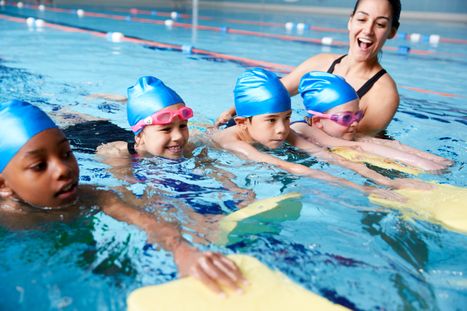
Why Water Safety Month Is Important for Families in Rochester, NH
May marks the annual recognition of National Water Safety Month, a nationwide initiative focused on drowning prevention, swim safety, and water awareness. In communities like Rochester, where summer brings lake trips, pool outings, boating activities, and family vacations, it serves as an important reminder that water safety should never be overlooked.
As warmer weather arrives across New England, children begin spending significantly more time around water during the late spring and summer months. Whether it is a day at the lake, a week at camp, or a family trip along the coast, water quickly becomes a major part of everyday life.
While these experiences create lasting memories, they also increase the importance of swim readiness, supervision, and confidence around water.
Water Safety Month serves as a reminder that while swimming and water recreation are a normal part of summer life, safety around water should never be taken for granted.
Why Water Safety Awareness Matters
One of the biggest misconceptions about drowning is that it looks obvious or dramatic.
In reality, drowning is often silent and can happen quickly. According to CDC data, drowning remains one of the leading causes of accidental death for children ages 1 to 4.
more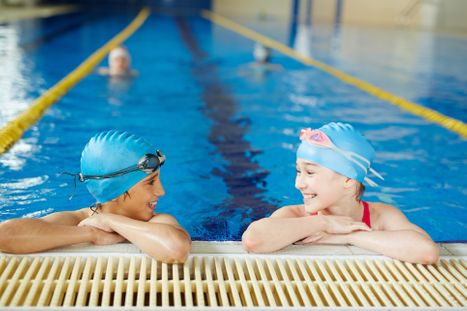
The Benefits of Swimming for Children's Physical and Mental Health
Swimming is not only a fun and refreshing activity for children but also offers a wide array of physical and mental health benefits. Let's delve into the numerous advantages that swimming provides for children's overall well-being.
Physical Development
· Swimming is a low-impact, full-body exercise that significantly contributes to a child's physical development. It encourages healthy growth and aids in the development of strength, coordination, and balance. Additionally, it equips children with essential water safety skills, making it a holistic exercise for their physical well-being.
Brain Development
· Studies have shown that children who learn to swim earlier reach developmental milestones including speech, literacy, numeracy, and visual-motor skills much earlier than their peers and non-swimmers. Furthermore, swimming can help improve memory, mood, clarity, focus, and sleep, ultimately aiding in stress reduction and improved behavior.
Stress Relief
· The release of endorphins during swimming combats stress hormones, and the rhythmic actions of swimming positively counteract the symptoms of stress. The water's inherent properties also provide a relaxing and stress-relieving environment for children.
more
Saving Lives: A Parent’s Guide to Preventing Childhood Drowning
Drowning is a significant and preventable cause of death among children, with children aged 1-4 being particularly vulnerable. According to a study by the CDC, drowning deaths in the United States have seen an alarming increase, with over 4,500 deaths annually from 2020-2022, indicating a rise in drowning rates compared to previous years.
Alarming Statistics
- Drowning is the number one cause of death for children aged 1-4 in the United States, with the highest drowning rates among this age group.
- The study found that almost 40 million adults (15.4%) in the United States do not know how to swim, and over half (54.7%) have never taken a swimming lesson.
- Particularly concerning is the fact that 63% of Black adults and 72% of Hispanic adults reported never taking a swimming lesson.
Importance of Swimming Lessons
The study revealed a protective association between past participation in formal swimming lessons and the risk of drowning in children aged 1 to 4 years, indicating an 88% reduction in the risk of drowning among those with swimming lessons. This underscores the importance of swimming lessons in preventing childhood drowning.
more
The Importance of Children Swimming Year-Round for Independence and Summer Safety
Swimming is a crucial life skill for children, offering not only physical and mental health benefits but also instilling a sense of independence and safety, particularly during the summer. According to the Centers for Disease Control and Prevention (CDC) approximately 79% of children spend time near the water during the summer, whether it’s a pool, lake, or a beach. Embracing swimming as a year-round activity for children can significantly enhance their confidence, competence in the water, and ensure a safe and enjoyable summer experience.
The Significance of Year-Round Swimming for Children
Physical Health and Development
- Swimming provides an excellent form of physical exercise for children, promoting cardiovascular health, muscle development, and overall fitness.
- Regular swimming from an early age can contribute to the development of strong motor skills and coordination.
Water Safety
- Year-round swimming enables children to continuously improve their water safety skills, equipping them to handle potential water-related emergencies.
- According to data from the American Red Cross, only 64% of children who spend time near the water in the summer have basic swimming skills. Familiarity with water safety guidelines and practices from regular swimming can significantly reduce the risk of accidents during summer water activities.
5 Essential Skills Every Beginner Swimmer Should Master
Swimming is not only a valuable life skill but also a fantastic way to stay fit and healthy. Whether you're a child or an adult, learning to swim can be an enjoyable and rewarding experience. As a beginner, mastering certain essential skills is crucial to becoming a confident and competent swimmer. Here are five essential skills every beginner swimmer should aim to master:
1. Floating
Floating is a fundamental skill that every beginner swimmer should strive to master. It not only helps build water confidence but also serves as the foundation for learning other swimming strokes. Being able to float effortlessly on the water's surface provides a sense of security and relaxation, making it easier to progress to more advanced skills. There are various floating techniques, including back float, front float, and survival float, each offering unique benefits and helping swimmers develop essential balance and coordination in the water.
2. Kicking
Learning proper kicking techniques is another essential skill for beginner swimmers. Effective kicking not only propels the body through the water but also helps maintain balance and stability. Beginners should focus on developing a strong and steady kick, whether it's for freestyle, breaststroke, or backstroke. Practicing kicking drills and exercises can significantly improve leg strength and overall swimming efficiency, laying a solid foundation for mastering different swimming styles.
more
Visual Water Safety: How Your Swimsuit Color Impacts Pool Safety
When it comes to pool safety, we often think about factors like lifeguards, signage, and depth markers. However, one aspect that might not immediately come to mind is the color of bathing suits. Believe it or not, the color of your swimsuit can play a role in your safety while swimming. Let's dive into why the color of bathing suits matters and how it can affect the safety of your child in the pool.
Importance of Swimwear Visibility in a Pool Setting
First and foremost, visibility is key when it comes to pool safety. Brightly colored swimsuits, such as neon greens, oranges, and pinks, are easier to spot in the water, especially in crowded pools or busy aquatic environments. This increased visibility makes it easier for lifeguards to keep track of swimmers and react quickly in case of an emergency. When wearing a bright-colored swimsuit, you're more likely to stand out against the water's backdrop, making it easier for others to see you.
Your Color Choice Can be a Danger for Pool Visibility
On the contrary, darker-colored swimsuits can blend into the water, making it harder for lifeguards and other swimmers to see you. In low-light conditions or murky water, or when there is a high degree of activity in the pool, this lack of visibility can be even more pronounced, increasing the risk of collisions or accidents. Additionally, darker colors absorb more sunlight, potentially causing the wearer to feel hotter and more uncomfortable under the sun's rays.
more
Swimming During the Winter: Year-Round Benefits
Winter is often associated with snuggling up indoors, snow sports and sipping hot cocoa. Water activities are the last thing on your mind! However, swimming during the winter season can be an incredibly rewarding and invigorating experience, not to mention important. Indoor swimming pools provide a controlled environment that allows you to enjoy the benefits of swimming all year round, regardless of the weather outside. It also prepares you in advance for swimming in the more popular warm weather season. In this blog, we will explore the numerous benefits and joys of indoor swimming in the winter, along with essential safety tips to ensure a pleasant and safe swimming experience.
Benefits of Indoor Swimming in Winter
1. Maintain Fitness: Swimming is a low-impact exercise that works out your entire body. By swimming indoors during winter, you can maintain your fitness levels and keep those holiday calories at bay. Regular swimming sessions help improve cardiovascular health, build endurance, and strengthen muscles, all while reducing the risk of injuries.
2. Boost Immunity: Winter is notorious for colds and flu, but swimming can help strengthen your immune system. The warm and humid environment of indoor swimming pools can help open up your airways, clear congestion, and reduce the occurrence of respiratory illnesses. Additionally, swimming boosts circulation, which aids in the delivery of oxygen and nutrients throughout the body, enhancing overall immunity.
more
ISR vs. Learn-to-Swim
Sean Arroyo, Hudson Valley Swim National Aquatics Director
Upon first hearing about the ISR program many years ago, I must admit that I was intrigued. After all, watching the videos of infants being thrown into the water completely clothed, and then watching them roll onto their back to float and then cry, I thought to myself that this was remarkable. I even investigated getting certified immediately! After researching the subject, I discovered there was not much of a market for ISR in NY, so I decided not to pursue it.
Over time I encountered a few alumni of ISR, and my observations are for starters that the program works! These babies do know how to roll onto their backs almost immediately upon getting their face wet. With them on their backs they then begin to scream and cry so that an adult is alerted as designed. This was great except when I tried to show them other skills, I could not get them to relax and stop crying. In fact, they wanted to get out so quickly I did not have the chance to even play or teach any other skills. This was true with each of the alumni of the program that came to me for lessons. Each child was very fearful of the water.
ISR is a hard water introduction while at Hudson Valley Swim, our infant program is a soft introduction to the water. We understand the importance of creating a fun and safe learning environment for all our little swimmers. We use songs and well thought out organized games and activities geared toward getting each child comfortable with the water. This also helps moms and dads during tubby time at home. We do focus on submersion and getting the little ones to roll over and float on their backs, but we do so in a more nurturing way; one that builds confidence and helps them develop a fun and safe relationship with the water. This is more conducive to learning the skills they need to keep themselves safe and to give parents peace of mind.
more
The Incredible Benefits of Swimming Lessons for Special Needs Children
The skill of swimming comes with numerous advantages and is of great value for children of all abilities. However, its advantages become even more pronounced for children with special needs. Learning to swim not only enhances physical fitness but also plays a pivotal role in boosting self-confidence and imparting a life-saving skill. In this blog, we will explore the myriad benefits that swimming lessons provide for children with special needs and how it can positively impact their lives.
1. Physical Development: Swimming aids in developing muscle tone, strength, and coordination for children with disabilities. It allows them to move freely and independently, strengthening all limbs in the process. The water's buoyancy reduces pressure on the limbs, relieving pain and facilitating a greater range of motion. Furthermore, swimming fosters improved balance and motor skills, contributing to overall physical development.
2. Self-Confidence and Social Interaction: Many children, including those with special needs, experience a remarkable sense of achievement when learning to swim. As they conquer new boundaries and explore their capabilities, their self-confidence soars. Swimming lessons also expose them to new social interactions, creating a supportive and inclusive environment. Working as a team and engaging with peers helps develop valuable social skills, promoting a sense of belonging and camaraderie.
more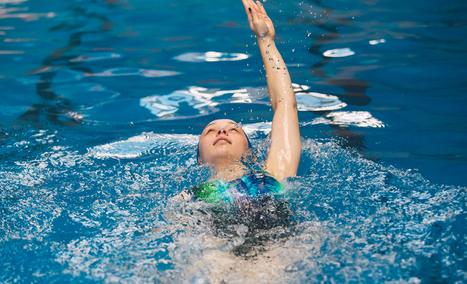
Diving Deeper: Overcoming Advanced Swim Challenges
For experienced swimmers, the thrill of diving into the water and gliding effortlessly through its depths can sometimes start to wane. As you become more proficient in the sport, it's natural to seek new challenges and push your limits. This is where overcoming advanced swim challenges comes into play. In this blog, we will explore tips and advice for experienced swimmers looking to redefine their skills and dive deeper into the world of swimming.
1. Set Clear Goals: To overcome advanced swim challenges, it is essential to set clear goals. Define what you want to achieve in terms of technique, speed, or endurance. Break down these goals into smaller, manageable steps to track your progress effectively. Whether it's perfecting your stroke technique or competing in a challenging open-water event, having a clear goal will provide direction and motivation.
2. Seek Professional Guidance: To refine your skills and overcome advanced swim challenges, consider seeking professional guidance. Enroll in advanced swim clinics or hire a swim coach who can provide personalized feedback and guidance. An experienced coach can analyze your technique, identify areas for improvement, and provide you with tailored drills and exercises to enhance your skills.
more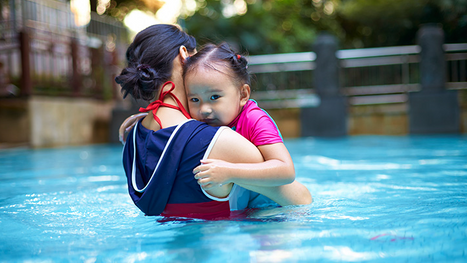
Overcoming Swimming Anxiety for Kids: A Guide for Parents
Swimming is a valuable life skill that not only offers physical benefits but also instills confidence and fosters a love for water activities. However, some children may develop swimming anxiety, making it challenging for them to enjoy the water. As a parent, you can play a crucial role in helping your child overcome this anxiety and develop a lifelong love for swimming. In this guide, we'll explore effective strategies to help your child conquer their swimming fears.
Understanding Swimming Anxiety
Swimming anxiety can manifest in various ways, from fear of water to nervousness about swimming in deep pools or open water. Understanding the root cause of your child's anxiety is the first step in addressing it. It could be due to a past negative experience, fear of drowning, or a general discomfort in the water.
Creating a Positive Environment
To help your child overcome swimming anxiety, it's essential to create a positive and supportive environment. Start by choosing the right swimming facility. Look for a pool that offers swim lessons specifically designed for children with anxiety. These classes often have smaller group sizes and instructors trained to work with anxious swimmers.
more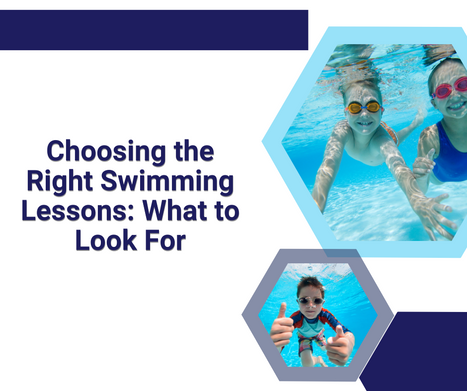
Choosing the Right Swimming Lessons: What to Look For
Swimming is an invaluable skill that offers a multitude of benefits. Whether you're a parent seeking lessons for your child or an adult eager to acquire this essential skill, finding the right swimming lesson program is a pivotal decision. Here are some key factors to consider when selecting swimming lessons to ensure a safe, effective, and enjoyable learning experience.
1. Experienced Instructors: The expertise of the instructors is perhaps the most critical aspect of any swimming lesson program. Experienced instructors possess the knowledge and skills to teach swimming techniques effectively, tailor lessons to different skill levels, and ensure the safety of all participants.
2. Small Class Sizes: It is no secret that having smaller classes in any educational environment is most conducive to learning. This is especially true for swimming lessons. Repetition is critical and if there is only a few minutes of one-on-one time with an instructor, progress will take a long time unless class sizes are minimized.
3. Structured Curriculum: Whether you're a beginner or looking to improve your existing skills, the lessons should be organized in a logical sequence that gradually builds upon foundational techniques. A comprehensive curriculum should cover water safety, basic strokes, breathing techniques, and advanced skills as you progress.
more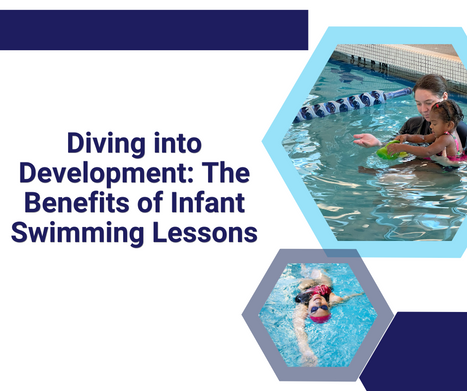
Diving into Development: The Benefits of Infant Swimming Lessons
When it comes to nurturing a child's physical and cognitive development, parents are always on the lookout for activities that offer a holistic approach. One such activity that has gained significant attention in recent years is infant swimming lessons. Far from being a mere recreational activity, these lessons can be a game-changer for your child's growth and well-being. We will help you debunk common misconceptions, and provide insights into how early aquatic exposure can set the stage for a lifetime of health and confidence.
1. Water Safety Skills from the Start: Drowning is a leading cause of accidental deaths among young children. Infant swimming lessons lay the foundation for water safety awareness, teaching even the tiniest learners how to hold their breath, turn over on their back to float, and move around in the water. These essential skills can significantly reduce the risk of water-related accidents and empower children to react effectively if they find themselves in a precarious situation.
2. Developmental Milestones Acceleration: Infant swimming isn't just about splashing around; it's a comprehensive developmental activity. The gentle resistance of water enhances motor skills and sensory experiences, contributing to better balance and spatial awareness. Early aquatic exposure can potentially expedite milestones like crawling, walking, and even early speech development.
more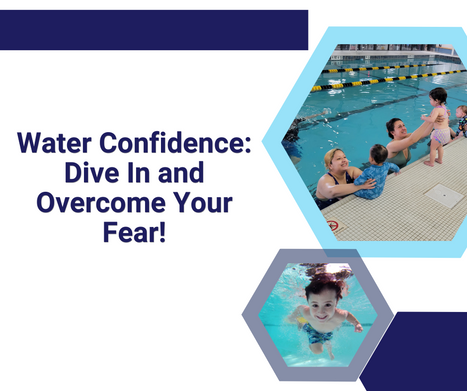
Water Confidence: Dive In and Overcome Your Fear!
For some individuals, water can also be a source of fear and anxiety. This fear, known as aquaphobia, can restrict people from fully enjoying water-related activities and experiences. We will delve into the concept of water confidence and explore effective strategies to overcome the fear of water.
Understanding Aquaphobia: Aquaphobia is a common fear that affects many individuals, young and old alike. It can stem from various causes, such as a traumatic water-related incident, a lack of exposure to water during childhood, or even hearing about the negative experiences of others. The fear can manifest in different ways, ranging from mild unease and discomfort to severe panic attacks when in or near water. However, the good news is that with the right mindset and approach, aquaphobia can be overcome.
Building Water Confidence:
Knowledge is Power: Educate Yourself. One effective strategy to combat aquaphobia is to gather knowledge about water-related activities, safety measures, and swimming techniques. Understanding how water behaves, the buoyancy it provides, and the basic principles of swimming can help demystify the unknown and build your confidence.
more
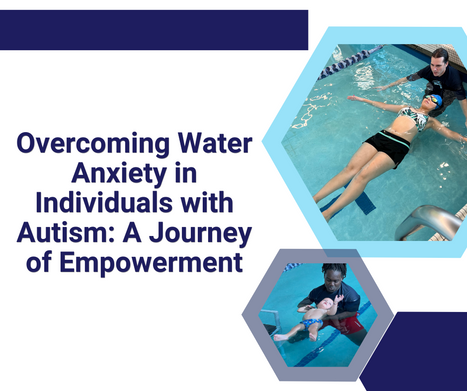
Overcoming Water Anxiety in Individuals with Autism: A Journey of Empowerment
For many individuals on the autism spectrum, water-related activities can be a source of anxiety and stress. The sensory experiences and unpredictable nature of water can be overwhelming, leading to a fear of swimming pools, beaches, or even taking a bath. However, it is essential to recognize that water is not only a vital element for our well-being but also offers numerous benefits for physical and emotional health. We are sharing strategies and tips to help individuals with autism overcome water anxiety and embrace the joy of aquatic activities.
Understanding Water Anxiety: Water anxiety is a common challenge faced by individuals with autism spectrum disorder (ASD). It often stems from sensory processing difficulties, fear of the unknown, and challenges with social communication. The sound, feel, and temperature of water can be overwhelming, leading to heightened anxiety and a strong aversion to water-related activities.
Overcoming Water Anxiety:
Gradual Exposure: Start with small steps to gradually desensitize individuals to water-related experiences. Begin by introducing water in a controlled environment, such as a small tub or basin. Encourage them to explore the water at their own pace, touching it, and gradually getting comfortable with its sensory properties.
more
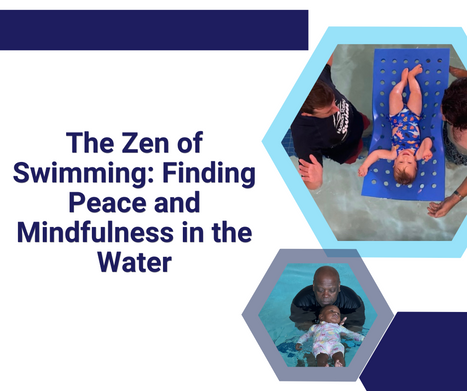
The Zen of Swimming: Finding Peace and Mindfulness in the Water
In the hustle and bustle of our modern lives, finding moments of peace and tranquility can be challenging. However, there is a serene oasis that offers respite from the chaos—a place where you can immerse yourself in calmness and embrace a sense of mindfulness: the water. Swimming, with its rhythmic strokes and weightless buoyancy, has the power to unlock a unique form of meditation.
Swimming can help with the meditative and calming aspects. We also explore how being in the water can promote mindfulness, stress relief, and overall mental well-being. Swimming lessons in Stamford, CT can help you achieve the list below.
The Flowing Rhythm of the Water:
Swimming provides an opportunity to embrace the flowing rhythm of the water, creating a soothing and meditative experience.
Consider the following aspects:
a. Focus on Breath: Aligning your breath with your strokes creates a rhythmic pattern that calms the mind and enhances mindfulness. Concentrate on the sensation of air entering and leaving your body, syncing it with the ebb and flow of the water.
more
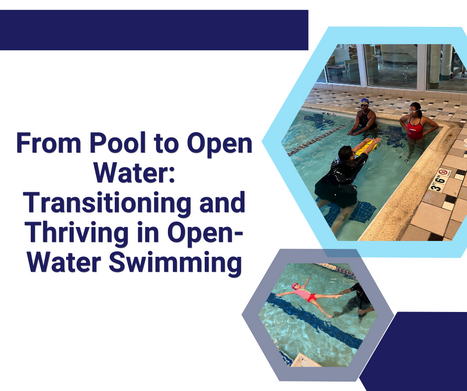
From Pool to Open Water: Transitioning and Thriving in Open-Water Swimming
Many swimmers who have honed their skills in the pool eventually feel the pull of open-water swimming, seeking to explore new challenges and environments. Venturing into the vast expanse of lakes, rivers, or oceans can be an exhilarating experience, but it also requires careful preparation and consideration.
Here are valuable insights and guidance for swimmers looking to transition and thrive in open-water swimming. From the unique challenges to safety considerations, training tips, and equipment recommendations, we'll cover it all.
Understanding the Unique Challenges: Open-water swimming presents a set of challenges that differ from swimming in a controlled pool environment.
Some key factors to consider include:
a. Navigation: Unlike a pool with clear lane lines, open water lacks visual cues. Learning to navigate efficiently using landmarks, buoys, or GPS devices is essential.
b. Water Conditions: Open-water environments can vary greatly in terms of waves, currents, and temperature. Familiarize yourself with the specific conditions and practice adapting to them.
more
How to Stay Safe While Swimming: Important Tips for Swimmers
Swimming is a wonderful activity that many enjoy, especially in the warmer months. Whether you're taking a dip in the pool, swimming in the ocean, or enjoying a serene lake, it's essential to prioritize safety while in the water. By following a few important tips, you can ensure that your swimming experience remains safe and enjoyable.
Learn to Swim: The foundation of staying safe in the water starts with learning how to swim. Enroll in swimming lessons if you haven't learned already. Proper swimming skills and techniques will give you confidence and control, allowing you to navigate the water more effectively. We offer swimming lessons for all ages and abilities starting at 6 months old to adults in Stamford Ct.
Swim in Designated Areas: Always swim in designated areas that are supervised by lifeguards. These areas are regularly inspected for safety and have professionals trained in water rescue. Their presence provides an added layer of security and immediate assistance in case of emergencies.
Swim with a Buddy: Swimming with a buddy is an essential safety measure. Having someone with you while you swim ensures that there is someone to help or seek assistance if needed. This is especially important in open water, where unexpected currents or fatigue can pose risks.
more
10 Essential Swimming Techniques Every Swimmer Should Master
Swimming is not only a fun and refreshing activity but also an excellent way to stay fit and healthy. Whether you're a beginner or an experienced swimmer, mastering essential swimming techniques is crucial to improve your efficiency, speed, and overall performance in the water. By incorporating techniques into your swimming routine, you can enhance your skills and enjoy the water to the fullest during the summer months in Stamford, CT.
Freestyle (Front Crawl): Freestyle, also known as the front crawl, is the most commonly used swimming stroke. It is a dynamic stroke that involves rhythmic arm movements, a continuous flutter kick, and controlled breathing. Mastering the freestyle technique will not only help you swim efficiently but also increase endurance.
Backstroke: The backstroke is swum on the back, with the arms moving alternatingly and the legs kicking in a flutter kick style. This technique requires coordination and balance, as well as the ability to navigate without seeing where you're going. Backstroke is an excellent stroke for relaxation and recovery during longer swims.
Breaststroke: Breaststroke is a slower-paced stroke that involves a simultaneous arm movement followed by a powerful leg kick. It requires coordination between the arms, legs, and breathing. Mastering the breaststroke technique can help you build strength and endurance while maintaining an efficient swimming posture.
more