
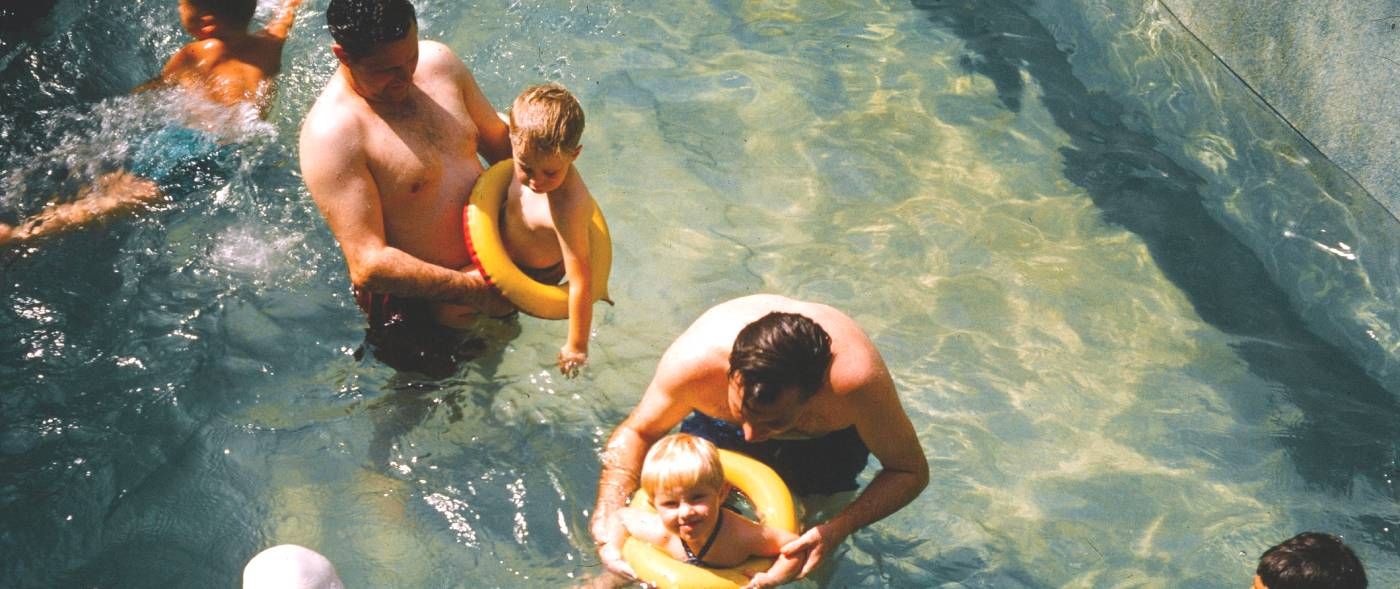
For families in the Rochester, NH area, getting kids enrolled in youth swim lessons feels like a major relief. It is incredibly satisfying to check off that safety box, watching your children learn to kick, doggy-paddle, or splash around the shallow end. Once they possess those basic skills, it is easy to assume that the primary dangers involving water are officially a thing of the past.
However, true water safety requires a much larger perspective.
Living in Rochester means that dynamic waterways are woven right into our local footprint. Whether your family spends hot summer days kayaking the Cocheco River, camping near the lakes, or visiting the nearby Salmon Falls River along the Maine border, water is a focal point of our community culture. Because we are surrounded by natural water hazards, youth swimming skills are only a singular piece of the puzzle. If an unexpected crisis occurs in an aquatic environment, an adult is almost always the designated first responder. A parent's personal water competence, survival swimming skills, and physical endurance are often the ultimate deciding factors in an emergency.
Water safety is not simply a lesson for children. It is a vital, multi-generational skill for the entire household.
Identifying the Gap in Adult Aquatic Literacy
Many adults view themselves as capable swimmers simply because they can successfully float on their backs, hang out by a pool steps, or wade through calm water on vacation. In reality, national data shows a substantial gap between casual water comfort and actual survival preparation.
Research conducted by the American Red Cross indicates that while nearly 80% of adults across the country claim they can swim, only 56% can actually execute the five baseline water competency skills required to survive an unexpected aquatic crisis:
Stepping or jumping into water that is over your head and safely returning to the surface.
Treading water or floating continuously for at least one full minute.
Turning completely around in a circle while in deep water to locate an exit path.
Swimming 25 yards without stopping to reach safety or the edge.
Exiting the water completely without relying on steps, a ladder, or external assistance.
If someone you love suddenly slipped into a fast-moving current or a deep pool, would you honestly feel equipped to jump in, manage their panicked weight, and swim both of you to safety? This isn't about creating unnecessary fear, it is about developing realistic family preparation.
Why New England Waterways Require Adult Competence
The geographic layout of the tri-city area means that avoiding water is rarely an option for active families. Local caregivers regularly supervise children across diverse, often unpredictable aquatic environments, ranging from highly controlled backyard pools to raw, un-lifeguarded natural water systems.
Our local waters hold distinct natural challenges, such as steep drop-offs, varying depths, cold water shock, and invisible undercurrents. A local tragedy on the Salmon Falls River serves as a somber reminder of this reality, when 40-year-old Rochester resident Doreen Allen tragically drowned in the river. Despite the rapid arrival of emergency rescue crews who initiated CPR, the environment proved unforgiving.
Natural rivers and coastal bays do not behave like chlorinated swimming pools. When a child or adult encounters trouble in moving water, an immediate panic response can quickly exhaust even a well-meaning rescuer who lacks structural swim training.
When an aquatic crisis unfolds, an adult who possesses genuine water competency is uniquely prepared to:
Maintain total emotional composure and prevent a contagious panic cycle.
Recognize the silent, subtle indicators of an active drowning sequence rather than expecting loud shouting or splashing, which rarely happens in real life.
Execute a calculated rescue plan without instantly becoming a secondary victim in deep or moving water.
Provide vigilant, undistracted visual supervision because they fully respect the subtle dangers of local currents.
The Invisible Impact of Parental Modeling
Children are incredibly perceptive, constantly reading and mirroring the behaviors of the adults in their lives. If a parent displays subtle apprehension near the water, avoids submerging their face, or stays completely on the shoreline during family river outings, kids actively absorb that anxiety. This learned fear can subconsciously slow down a child’s development and confidence during their own youth swim lessons.
Conversely, when a child watches their parents navigate the water with calm, structured control, it sets a healthy standard. It fosters a deep respect for water safety rules while accelerating the child's personal comfort and progression.
You do not need to be an elite competitive athlete to protect your household. You simply need to neutralize personal water phobias, master fundamental survival strokes, and understand how to properly manage your own buoyancy in deep water. For parents whose kids are currently learning, upgrading your own physical capabilities is a natural extension of your family safety strategy.
Critical Survival Steps for a Water Crisis
If you ever find yourself facing an emergency near the water, immediate and logical actions save lives. Memorize these core safety protocols:
Control Your Emotional Response: Caregivers set the emotional tone. Staying calm keeps your mind clear so you can execute an efficient plan.
Activate Emergency Services Immediately: Assign a specific bystander to call 911 right away. Never delay alerting local fire and rescue teams while trying to handle a situation alone.
Reach or Throw, Do Not Blindly Go: A high percentage of adult drowning fatalities occur when a protective caregiver instinctively dives into deep water without the physical endurance required to handle a thrashing, panicked victim. Whenever possible, extend a long object like a branch or pool skimmer, or throw a flotation device from safety.
Prioritize CPR Training: Because drowning is fundamentally an oxygen-deprivation crisis, immediate bystander CPR is a vital link in the chain of survival while waiting for paramedics to arrive at a residential pool or local river landing.
Always Demand a Medical Evaluation: If a child experiences a near-drowning event or swallows a significant amount of water, an immediate trip to a medical facility like Frisbie Memorial Hospital is absolutely mandatory. Small amounts of water trapped in the lungs can cause delayed, life-threatening respiratory complications hours after leaving the water.
Empowering Rochester Adults to Swim with Confidence
Many adults choose to skip out on formal swim instruction due to lingering embarrassment, the belief that they missed their window during childhood, or the assumption that swim classes are strictly meant for kids. In reality, millions of adults across New England reach parenthood without ever receiving formal aquatic training.
Adult swim programs are entirely free of judgment and are never about athletic perfection. They are purposefully built to meet you exactly where your current skills stand. We focus on dismantling deep-seated water anxieties, perfecting core breath control, and teaching the exact mechanical survival techniques required to confidently enjoy the beautiful New Hampshire landscape with your family.
Water confidence is a protective asset that belongs to the entire household.
Take the Next Step in Protecting Your Family
Enroll in Adult Swim Classes with Hudson Valley Swim North Rochester by visiting our official enrollment platform at the iClassPro Classes Portal or connect directly with our local team at (603) 403-5199. For more details regarding class structures and community water safety programs, visit our regional website at https://rochesternh.hvswim.com/.